


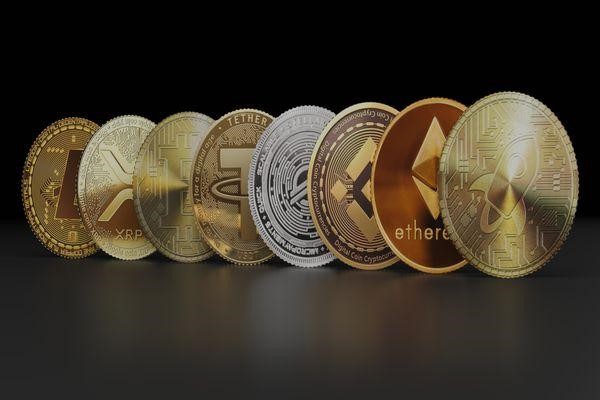
Altcoins offer exciting opportunities for higher returns, but they also come with greater volatility and risk compared to established cryptocurrencies like Bitcoin. Many investors lose money by chasing hype instead of following a disciplined strategy. In 2026, successful altcoin investing is less about speculation and more about research, diversification, and risk management. By applying smart strategies, investors can benefit from altcoin growth while minimizing downside exposure. This guide explains how to invest in altcoins with low risk, helping beginners and cautious investors build a safer, more sustainable crypto portfolio.
Focus on Strong Fundamentals
Low-risk altcoin investing starts with choosing projects that have solid fundamentals. Look for altcoins with real-world use cases, active development teams, transparent roadmaps, and strong community support. Projects solving real problems — such as scalability, payments, identity, or decentralized finance — are more likely to survive market downturns. Review whitepapers, token utility, partnerships, and long-term vision before investing.
Avoid coins that rely solely on hype or social media trends. In 2026, fundamentals matter more than ever as the crypto market matures. Investing in fundamentally strong altcoins reduces the risk of sudden collapse and increases the chances of long-term growth.
Diversify Your Altcoin Portfolio
Diversification is one of the most effective ways to reduce risk in altcoin investing. Instead of putting all your capital into a single coin, spread your investment across multiple altcoins and sectors such as DeFi, Layer-2 solutions, gaming, AI, and infrastructure tokens. This approach protects your portfolio if one project underperforms or fails.
Diversification also allows you to benefit from different market trends simultaneously. In 2026, smart investors balance their portfolios with a mix of large-cap altcoins and carefully selected mid-cap projects, ensuring risk is managed while still capturing growth opportunities.
Recommended reading: How to Diversify Your Cryptocurrency Portfolio
Avoid New and Unverified Projects
New altcoins with no track record often carry the highest risk. While early investments can generate high returns, they also expose investors to rug pulls, scams, and abandoned projects. Low-risk investing means prioritizing altcoins that have survived multiple market cycles and are listed on reputable exchanges.
Established projects with consistent updates and long-term development history are generally safer choices. In 2026, regulatory scrutiny and investor awareness have increased, making transparency and longevity key indicators of reliability. Patience and caution are essential when evaluating newly launched tokens.
Use Dollar-Cost Averaging (DCA)
Dollar-cost averaging is a proven strategy for reducing risk in volatile markets. Instead of investing a lump sum, you invest small, fixed amounts at regular intervals, regardless of price movements. This strategy reduces the impact of short-term price fluctuations and removes emotional decision-making.
Over time, DCA helps you achieve a better average entry price and limits losses during market downturns. In 2026, DCA remains one of the safest ways to invest in altcoins, especially for beginners or investors with long-term goals.
Set Clear Risk Limits and Exit Strategies
Successful low-risk altcoin investors always define entry points, profit targets, and stop-loss levels before investing. Setting risk limits prevents emotional trading and protects capital during sudden market drops. Decide how much you are willing to lose on each investment and never exceed that amount.
Taking partial profits when prices rise helps lock in gains while maintaining exposure. In 2026, disciplined risk management separates long-term investors from speculators. A clear exit strategy ensures you stay in control, even during extreme market volatility.
Use Secure Wallets and Trusted Exchanges
Security is a crucial part of low-risk altcoin investing. Always store long-term holdings in non-custodial wallets or hardware wallets, rather than leaving funds on exchanges. Use reputable, regulated exchanges for buying and selling altcoins to reduce the risk of hacks or fraud.
Enable two-factor authentication and avoid clicking suspicious links. In 2026, cyber threats remain a major risk in crypto, making secure storage and trusted platforms essential for protecting your investments.
Recommended reading: Best Cryptocurrency Wallets for Secure Storage in 2026
Stay Updated but Avoid Hype
Keeping up with crypto news helps you make informed decisions, but following hype blindly increases risk. Focus on credible sources, official project updates, and on-chain data rather than influencer opinions or viral trends.
Market sentiment can change quickly, and emotional investing often leads to losses. In 2026, smart altcoin investors stay informed, patient, and objective, using data rather than excitement to guide decisions.
Conclusion
Investing in altcoins with low risk is possible when you combine strong research, diversification, dollar-cost averaging, security best practices, and disciplined risk management. Instead of chasing quick profits, focus on long-term value and proven projects. In 2026, the crypto market rewards investors who prioritize fundamentals and patience over speculation. By following these strategies, you can participate in altcoin growth while protecting your capital and building a more resilient crypto portfolio.
FAQs
Is altcoin investing risky?
Yes, altcoins are more volatile than Bitcoin, but risk can be reduced with research, diversification, and proper risk management.
What is the safest way to invest in altcoins?
Using dollar-cost averaging, investing in established projects, and storing assets in secure wallets are among the safest approaches.
Should beginners invest in altcoins?
Beginners should start with low amounts, focus on well-known altcoins, and avoid speculative or hype-driven tokens.